

Case study · Content site
Conciencia Ambiental: a lightweight WordPress site for environmental content, with automated publishing
We built the site on WordPress with a technical foundation designed to load fast, plus behind-the-scenes workflows that gathered information, generated images and published each article to WordPress.

Conciencia Ambiental, live
A large archive of Spanish-language articles organized by topic, with site search and a mobile version built for reading.
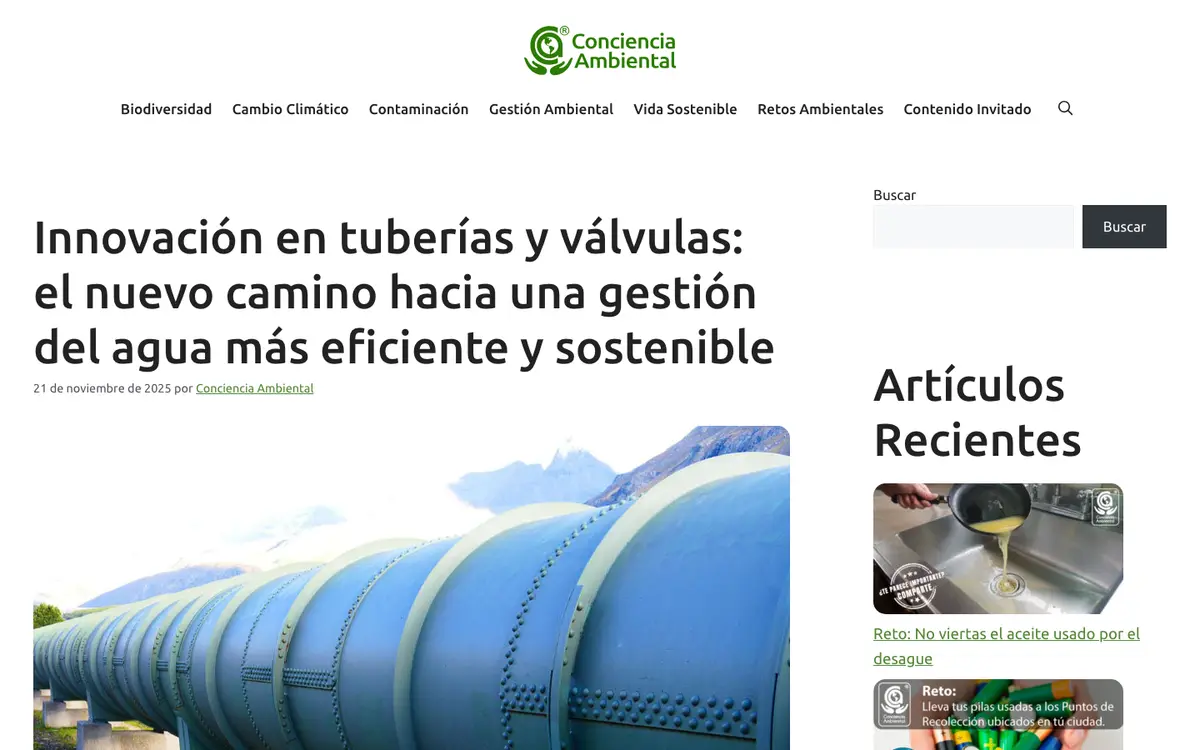
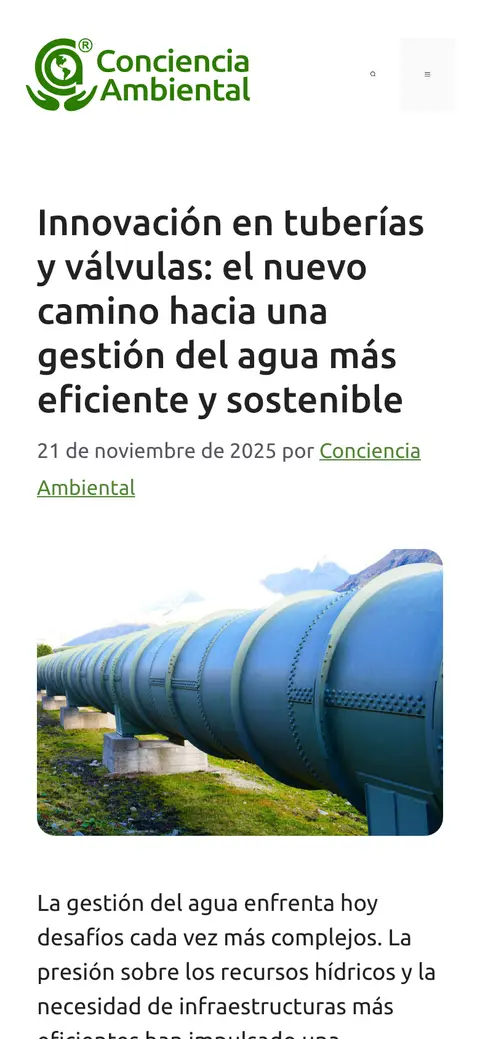
Environmental content
Conciencia Ambiental
A Spanish-language site for environmental news and know-how, with categories such as biodiversity, climate change, pollution, environmental management, sustainable living and environmental challenges, plus guest posts.
What we did
Site development on WordPress with GeneratePress, caching and performance tuning; automation workflows to research, create images and publish; structured SEO; Google Tag Manager; monetization training and strategic guidance.
Technology
- WordPress
- GeneratePress
- WP Rocket
- Rank Math
- Cloudflare
- Google Tag Manager
Footer credit: “Web development with ♥︎ by Crece Virtual”. Crece Virtual is our former brand name.


The project: a big archive that had to keep growing
Conciencia Ambiental collects articles about protecting the planet, organized by topic so readers can find what they need quickly. We built it on WordPress with a technical foundation tuned for high performance: a GeneratePress child theme, WP Rocket caching and Cloudflare in front of the server. Behind it, we built a content automation system with Python workflows that searched for relevant information based on the date, generated the images and published each structured article directly to WordPress, complete with its category and internal links.
What we did
The site, the automation, search visibility and revenue.
Lean WordPress build
A GeneratePress child theme with WP Rocket caching: a base meant to stay fast as the article archive grows.
Content automation
Workflows that searched for information by date, generated images and published each structured article to WordPress.
Structured SEO
Topic categories, internal links and connections between articles so the archive grew in an orderly way.
Analytics
We installed Google Tag Manager; the site’s own code labels it as done by Crece Virtual.
Monetization
Training on Google AdSense and on selling sponsored articles, plus work to build up the domain’s authority.
Cloudflare and guidance
Domain and DNS managed on Cloudflare, and strategic guidance for the project.
Is automated publishing a good idea for your site?
It can save a lot of work, but it doesn’t replace editorial judgment. Here’s how we weigh it.
A good fit if…
- Your topic runs on public information that changes with the calendar: awareness days, reports, seasons or open calls.
- You have, or want, a large archive that needs consistent categories, internal links and images.
- Someone on your team can review what goes live and course-correct often.
Consider another approach if…
- You expect automation to publish with nobody checking the output.
- Your value lies in a few deep, original pieces built on your own reporting or research.
Conciencia Ambiental case study FAQ
What about this project can be verified?
Anything you can check yourself: the footer reads “Web development with ♥︎ by Crece Virtual”, our former brand name, and the site’s code includes a Google Tag Manager install labeled by Crece Virtual. Conciencia Ambiental also appeared in 2018 on the client list of Dimaginet, the agency we grew out of.
What is the site built with?
WordPress with a GeneratePress child theme, WP Rocket for caching, Rank Math for SEO and Cloudflare in front of the server, where we also manage the domain and DNS. It’s a lean stack meant to keep a large article archive loading fast.
Was the automation written in Python?
Yes. The workflows that searched for information by date, generated images and published to WordPress were written in Python. They aren’t visible from outside the site.
Does automated publishing hurt SEO?
It depends on how it’s done. Google doesn’t penalize content for how it’s produced, but its spam policies cover scaled content abuse: churning out lots of pages that don’t help readers, with or without AI. Automation makes sense when every piece meets a real need and someone reviews what goes out.
Can you build a content site for my organization?
Yes. First we define the topic, who writes, how often you’ll publish and how the project will pay for itself: ads, sponsorships or donations. That tells us how much to automate and what should stay in your team’s hands. We work remotely from Colombia, on the same clock as US Eastern time in winter and Central time in summer.
Want a content site that grows without slowing down?
Tell us what your project covers, who will write and how often you plan to publish. We’ll propose the technical foundation and the level of automation that make sense.